Discover the potential of hyperbaric oxygen therapy in managing Parkinson's disease symptoms. Our state-of-the-art hyperbaric chamber offers a safe, effective treatment option designed to improve brain oxygen supply, reduce inflammation, and promote neurorepair, ultimately enhancing the quality of life for PD patients.
Can hyperbaric oxygen therapy help Parkinson’s disease?
What is Parkinson’s disease?
Parkinson’s disease is a common neurodegenerative disease in middle-aged and elderly people. The disease starts because dopamine (DA) in the substantia nigra can cause neuronal degeneration and loss, resulting in a decrease in striatal dopamine. The onset of the disease is insidious and the progression is slow. The main clinical manifestations are four main symptoms: resting tremor, bradykinesia, increased muscle tone, and balance disorder.
According to statistics from the Parkinson's Foundation and the Centers for Disease Control and Prevention (CDC), the number of Parkinson's disease patients in the United States has reached 1 million, especially in the elderly population, where the incidence rate is high. Among the population over 60 years old in the United States, about 10-20 people out of every 1,000 will be diagnosed with Parkinson's disease. By 2030, the number of Parkinson's disease patients in the United States may reach 1.5 million.

Symptoms of Parkinson's Disease patients
Parkinson's Disease (PD) is a chronic, progressive neurological disease that primarily affects motor control. It is usually caused by the gradual degeneration of dopamine-producing cells in the brain, resulting in motor and non-motor symptoms. The following are common symptoms of Parkinson's disease patients:
Motor symptoms
Tremors are one of the most common symptoms of Parkinson's disease. They usually manifest as slight shaking of the hands, feet, or jaw when at rest. Tremors usually start on one side of the limb and may gradually spread to the other side.
Muscle stiffness is caused by constant tension in the muscles. It usually manifests as tightness or pain in the joints or muscles when the patient moves. Rigidity is common in the shoulders, arms, legs, and neck.
Bradykinesia is one of the core symptoms of Parkinson's disease. Patients may find it difficult to start, move slowly, or even be unable to quickly complete daily activities such as dressing, eating, or writing.
Parkinson's disease patients may experience unsteady standing and fall easily. As the disease progresses, patients may experience "freezing", that is, sudden pauses when walking or turning, and cannot move forward.
Parkinson's disease patients often experience problems such as difficulty falling asleep, waking up early, or waking up frequently. Due to the influence of motor symptoms, the patient's sleep quality may be significantly disturbed.
Parkinson's disease patients often experience mood swings, and depression and anxiety are common non-motor symptoms. Emotional problems may arise from the impact of the disease itself or from the stress of facing the gradual loss of physical function for a long time.
As Parkinson's disease progresses, some patients may experience cognitive problems such as memory loss, poor concentration, and impaired judgment. In some cases, patients may also develop Parkinson's disease dementia (PDD).
Parkinson's disease patients often experience symptoms of constipation, which is usually caused by the weakened control of the nervous system over the digestive tract.
Parkinson's disease may also affect the autonomic nervous system, causing problems with some physiological functions. These include low blood pressure, abnormal sweating, frequent urination, sexual dysfunction, etc.
Many Parkinson's patients experience dysphagia, which may cause choking or coughing when eating and affect nutritional intake.
- Slurred speech and reduced facial expressions
As Parkinson's disease progresses, patients may experience reduced facial expressions (mask face), slurred speech, slow speech, and weakened voice.
HBOT for Parkinson’s disease research
Parkinson's disease is currently considered not only a movement disorder but also has important non-motor symptoms such as neuropsychiatric, autonomic, and sleep disorders. These have seriously affected the quality of life of Parkinson's patients, and have brought heavy mental and economic burdens to patients, their families, and society.
A study conducted hyperbaric oxygen therapy (HBOT) on 5 patients with Parkinson's disease (PD), with oxygen therapy at a pressure of 1.5-2.0 ATA for 1 hour each time. The results showed that all patients reported reduced tremors and significant improvements in overall health.
These patients received 10 initial courses of treatment and continued treatment as needed until they felt that the effect was stable. The treatment effect lasted about 1 to 5 months, and the effect was restored after further hyperbaric oxygen treatment. It is worth noting that no complications occurred during the treatment. Studies have shown that hyperbaric oxygen therapy may be a safe and effective treatment option for patients with Parkinson's disease.
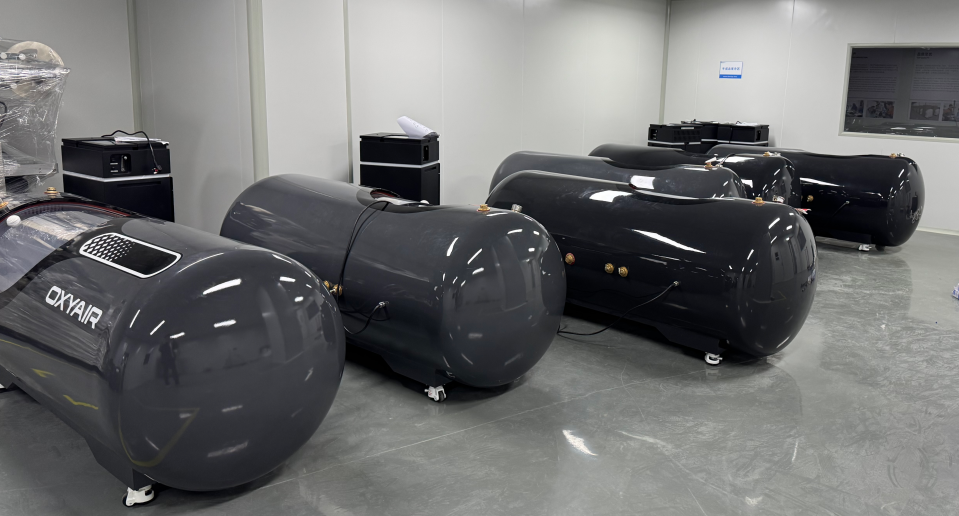
The benefits of HbOT for Parkinson’s disease
The potential of Hyperbaric Oxygen Chamber Treatment for Parkinson's Disease
Parkinson's disease patients often suffer from neurological damage and brain hypoxia, and hyperbaric oxygen therapy can help improve these problems by improving oxygen supply. Specifically, hyperbaric oxygen therapy for Parkinson's disease may work in the following ways:
- Improving brain oxygen supply
A notable feature of Parkinson's disease is the degeneration of dopamine-producing cells in the brain, which leads to a gradual decline in brain function. Studies have shown that brain cells are more vulnerable to damage in an oxygen-deficient environment, and hyperbaric oxygen therapy can effectively increase the oxygen concentration in the blood, improve the brain's oxygen supply, help maintain the health of brain cells, and may alleviate neurological damage.
- Reducing inflammatory response
Hyperbaric oxygen chamber treatment can help reduce neuroinflammation caused by Parkinson's disease by increasing the solubility of oxygen. Inflammation is an important factor in the onset and aggravation of symptoms of Parkinson's disease, and hyperbaric oxygen therapy can slow the progression of this neuroinflammation.
Hyperbaric oxygen therapy can activate the brain's repair mechanism and promote the regeneration of nerve cells. Although HBO cannot reverse damaged brain cells, it may help promote the generation of new cells and provide the necessary support for nerve repair, thereby slowing the progression of Parkinson's disease symptoms.
- Improve blood circulation
Parkinson's disease patients often have problems with poor blood circulation, especially blood supply to the brain. Hyperbaric oxygen therapy may help relieve these symptoms and improve patients' motor ability and quality of life by improving blood circulation throughout the body and brain.
