
Introduction
Lyme disease, a bacterial infection transmitted through tick bites, presents numerous challenges due to its varying symptoms and potential complications. However, hyperbaric oxygen therapy(HBOT) has opened a hopeful way for Lyme disease treatment. Relevant studies and cases have shown that this innovative therapy does well in treating Lyme disease. Hyperbaric oxygen therapy will enhance tissue oxygenation by creating a hyperbaric oxygen environment. This can effectively kill Lyme disease pathogens to relieve symptoms.
What is Lyme Disease?
Lyme disease is a bacterial infectious disease caused by organisms of the genus Borrelia burgdorferi. It is usually spread through tick bites. There is no denying that this disease is one of the most common airborne illnesses in the United States with approximately 30,000 reported cases each year. In addition, the disease is often misdiagnosed, leading to delayed treatment and the development of more severe symptoms, late-stage disseminated Lyme disease. If left untreated, Lyme disease can develop into more serious complications that affect various organs and the nervous system.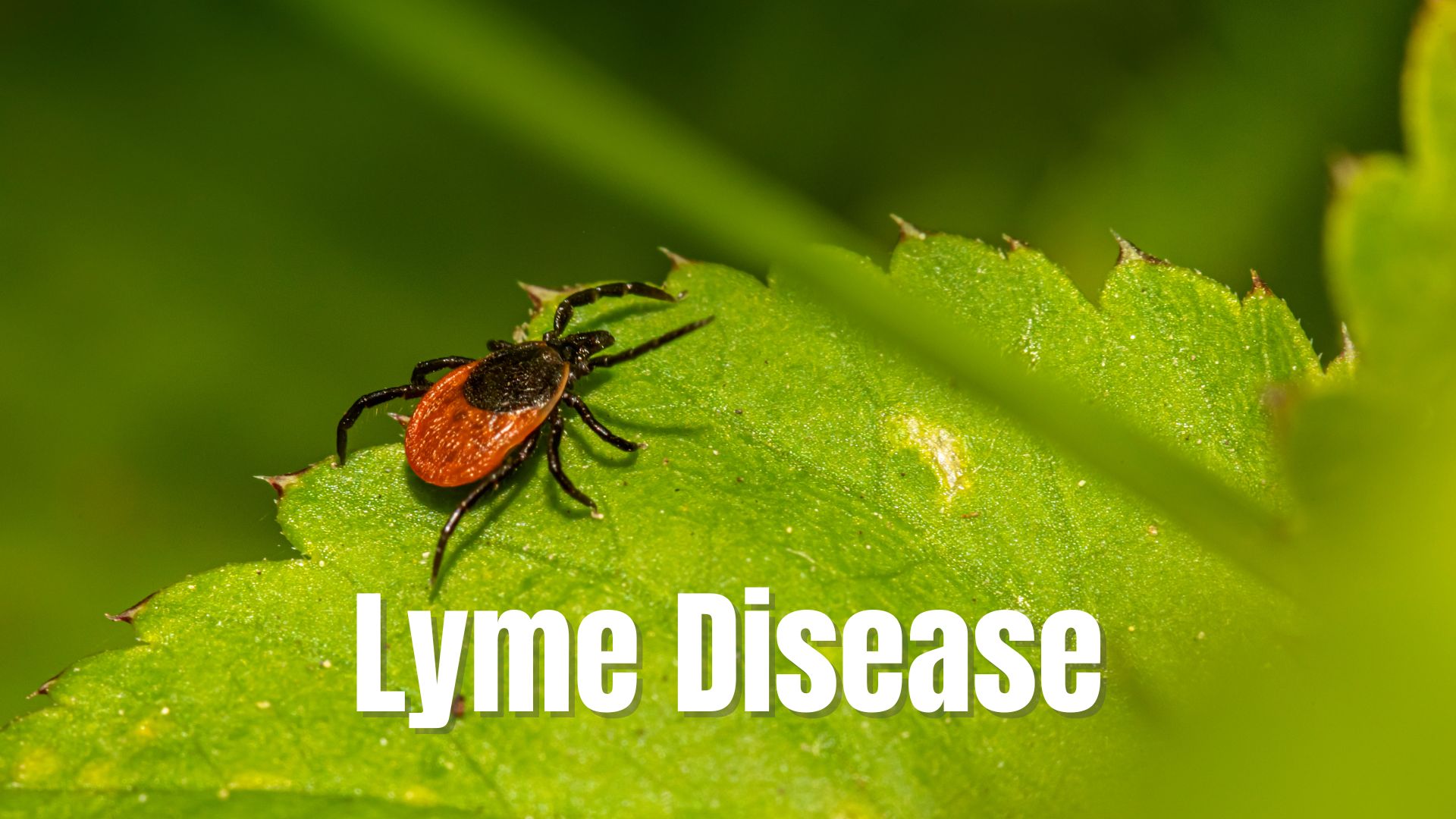
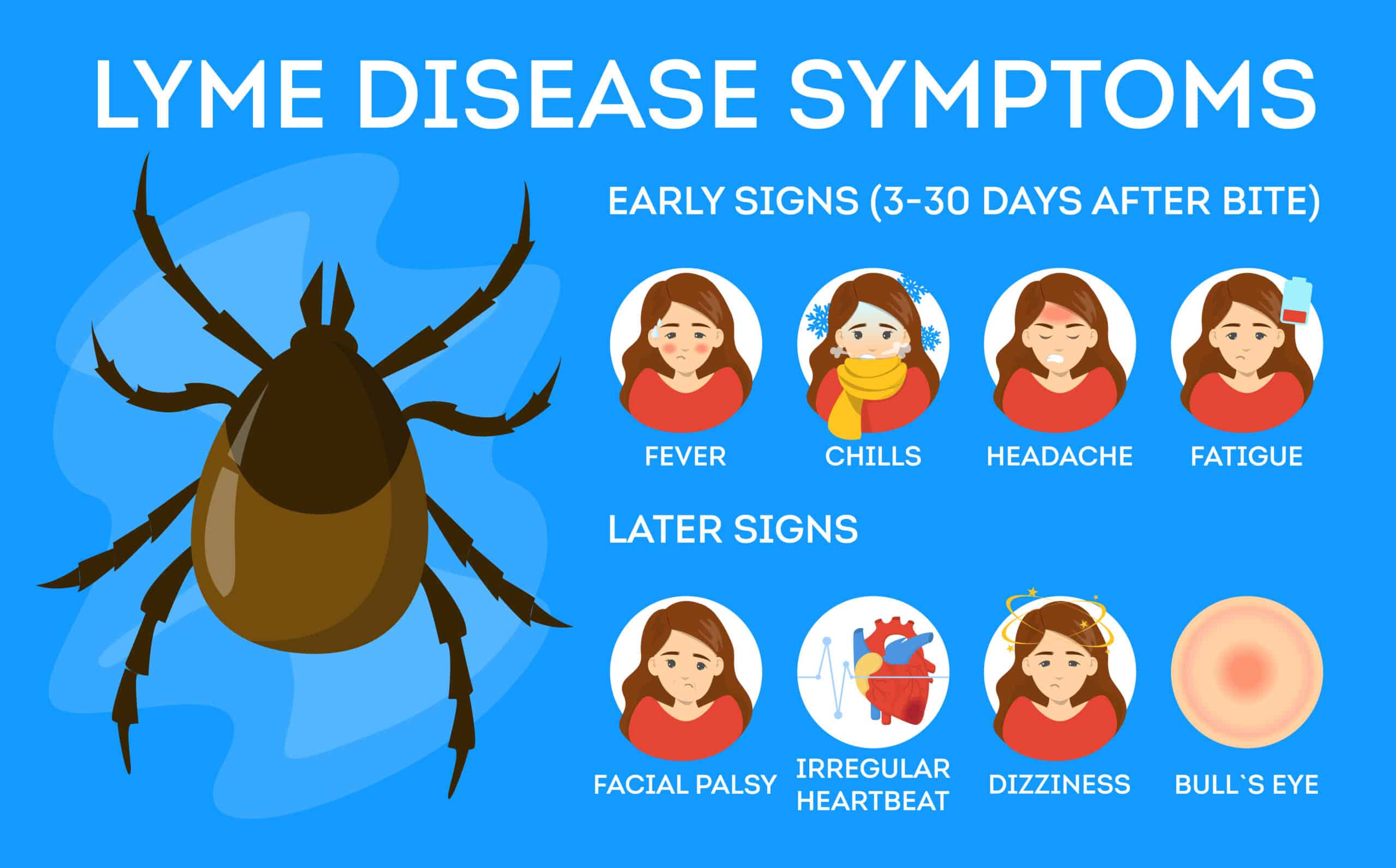
Here are the possible symptoms of Lyme disease:
Why HBOT Might Work for Controlling Lyme Disease?
Traditional treatments for Lyme disease include extended courses of oral or intravenous antibiotics. While this approach can effectively cure the disease if administered early, it may not provide relief to patients who already have chronic symptoms or who have delayed treatment. Therefore, the introduction of hyperbaric oxygen therapy into the Lyme disease treatment process is of great significance.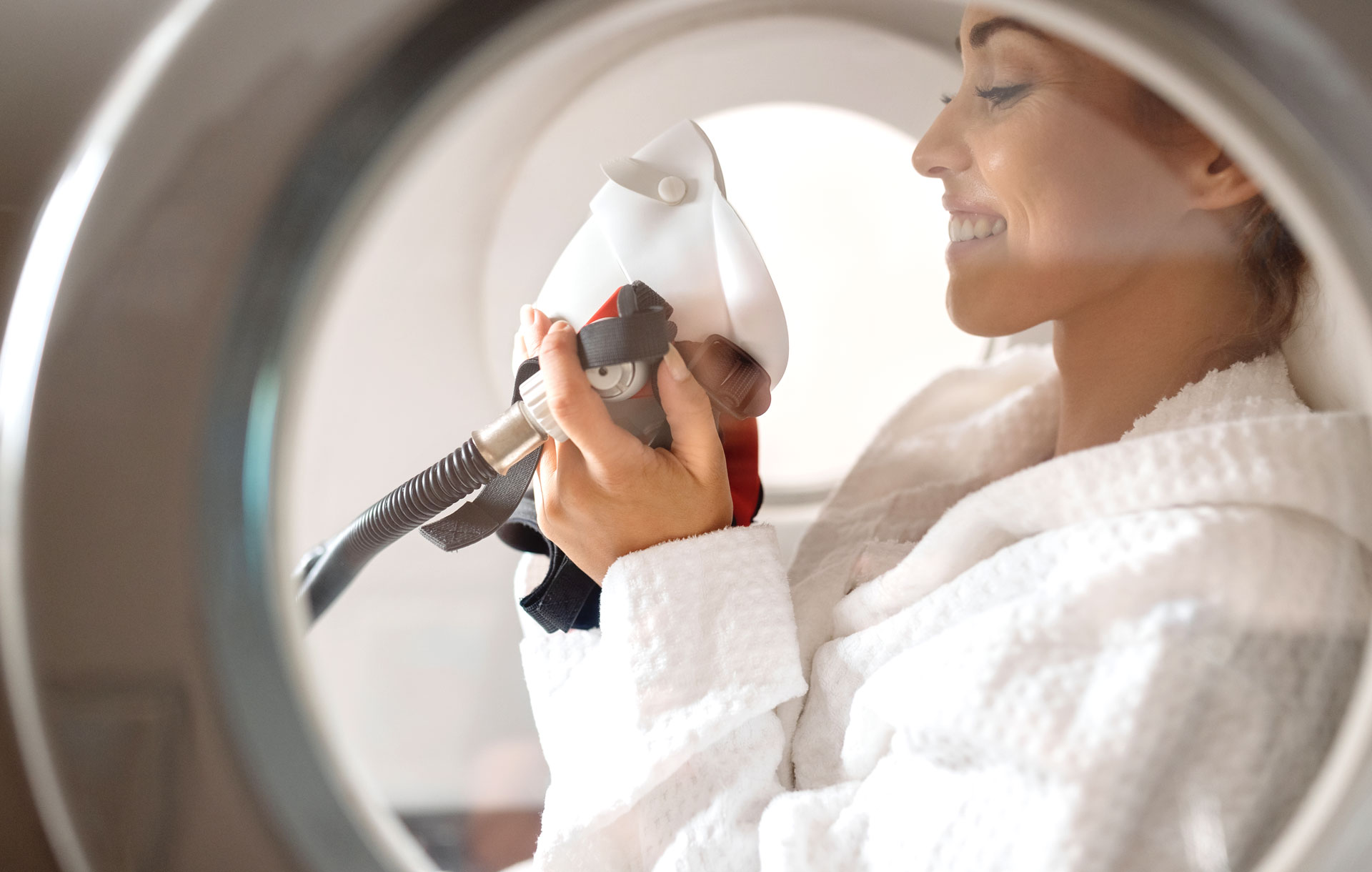
Related Research and Studies
Multiple case studies and research evaluate HBOT’s efficacy for treating Lyme disease. A notable study by Dr. William Fife of Texas A&M University had 91 Lyme disease patients undergo 1,995 HBOT sessions. Each 60-minute session utilized 100% oxygen under pressure.
Using a standard Lyme disease questionnaire, the study found that 84% of patients had significant symptom improvement or resolution after HBOT treatment. This demonstrates HBOT’s potential as an effective Lyme disease adjunctive therapy.
However, some patients experienced severe Jarisch-Herxheimer reactions during treatment, as bacterial die-off increased toxin release. Symptoms like fatigue, headache, and fever can occur but often resolve as the body clears toxins.
While HBOT is not yet FDA-approved to treat Lyme disease, current research and case studies provide strong evidence for its efficacy. Those with Lyme disease should consult a qualified HBOT practitioner about appropriate treatment regimens.
Conclusion
On the whole, current studies and cases suggest that hyperbaric oxygen therapy has the potential to be an effective complementary treatment for Lyme disease. HBOT has the unique ability to pump concentrated oxygen under pressure into the bloodstream allowing it to effectively target and kill Lyme disease bacteria. This has advantages over traditional antibiotics, which sometimes fail to resolve chronic Lyme disease. For those suffering from Lyme disease, a hyperbaric oxygen chamber may be a good option to try to promote recovery. If you are interested in it, feel free to contact us and learn more about the potential benefits of hyperbaric chambers for your Lyme disease journey.
