Benefits of Hyperbaric Oxygen Therapy
Hyperbaric Oxygen Therapy (HBOT) is an advanced medical treatment that has shown remarkable efficacy in a variety of health conditions. By providing pure oxygen in a pressurized chamber, HBOT enhances the body’s natural healing processes and offers significant therapeutic benefits. 1. Enhanced Healing and Tissue RepairIncreased oxygen levels promote the formation of new blood vessels, enhance collagen production, and support the growth of new tissues. This accelerates the healing of wounds, reduces scar formation, and helps repair damaged tissues.2. Reduced InflammationHBOT reduces inflammation by decreasing pro-inflammatory cytokines and increasing anti-inflammatory cytokines. This helps alleviate pain, decrease swelling, and improve mobility.3. Improved Immune FunctionEnhanced oxygenation boosts the immune system by increasing the efficiency of white blood cells in fighting infections. This is particularly beneficial for patients with chronic infections or those recovering from surgeries.4. Improved Blood FlowHBOT enhances blood flow by promoting the formation of new blood vessels and improving circulation in areas with compromised blood flow. This improved blood flow supports overall cardiovascular health and accelerates healing processes.5. Natural Defense Against InfectionThe high oxygen levels achieved during HBOT have bactericidal effects, helping to combat infections. Additionally, improved oxygenation enhances the body’s natural defense mechanisms, making it more effective in fighting off infections.6. Stimulates the Release of Stem CellsHBOT stimulates the release of stem cells from bone marrow into the bloodstream. These stem cells play a crucial role in repairing and regenerating damaged tissues, contributing to faster recovery and improved healing outcomes.

Which diseases does hyperbaric oxygen therapy work for?
According to the 2013 China National Health Commission's "Technical Specifications for Clinical Application of Hyperbaric Oxygen" guidelines, diseases treated in hyperbaric oxygen chambers can be simply divided into three categories.
▪ Vascular diseases: cerebral infarction, cerebral hemorrhage, cerebral and limb arteriosclerosis, cerebral ischemia, fatigue syndrome, vertebral artery type cervical spondylosis, anesthesia accidents, etc.
▪ Tissue diseases: brain trauma, brain dysplasia, insomnia, nerve damage (facial paralysis, deafness, optic neuropathy, etc.), crush injuries, cervical and lumbar spine diseases, poor wound healing, diabetic foot, etc.
▪ Gas diseases: carbon monoxide poisoning, hydrogen sulfide poisoning, air embolism, gas gangrene, diseases caused by gas-producing anaerobic bacteria, etc.
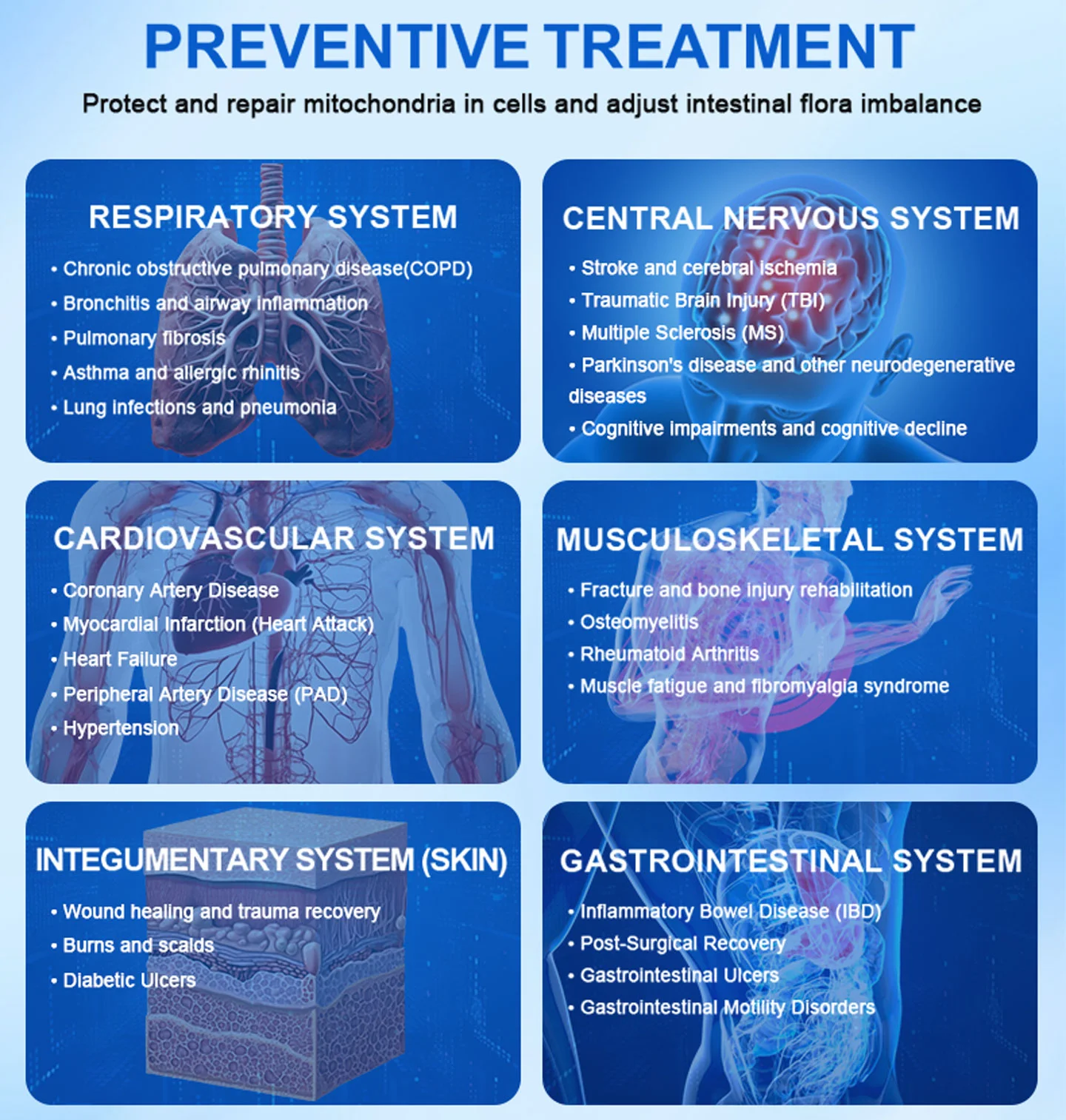
Aiding in Diverse Medical Conditions
1. Stroke
Strokes can cause significant brain damage due to interrupted blood flow. HBOT helps by increasing oxygen delivery to the affected brain areas, promoting neurogenesis (the formation of new neurons), and reducing brain swelling. Studies have shown that HBOT can improve neurological function and enhance recovery in stroke patients.
2. Diabetic Foot Ulcers
Diabetic foot ulcers are a common complication of diabetes, often leading to severe infections and amputations. HBOT promotes wound healing by enhancing oxygen delivery to the affected areas, reducing inflammation, and promoting the formation of new blood vessels. Research indicates that HBOT significantly improves healing rates and reduces the need for amputations in diabetic patients.
3. Neurological Disorders
HBOT has shown promise in treating various neurological disorders, including traumatic brain injury (TBI), cerebral palsy, and multiple sclerosis (MS). By enhancing oxygen delivery to the brain, HBOT supports neurogenesis, reduces inflammation, and improves cognitive and motor functions.
4. Chronic Obstructive Pulmonary Disease (COPD)
COPD is a chronic inflammatory lung disease that obstructs airflow from the lungs. HBOT helps by reducing inflammation, improving oxygenation, and enhancing lung function. Patients with COPD have reported improved breathing and overall quality of life after undergoing HBOT.
5. Cancer
While HBOT is not a cure for cancer, it can be used as an adjunct therapy to enhance the effectiveness of conventional treatments. HBOT improves oxygen delivery to tumors, making them more susceptible to radiation therapy and certain chemotherapeutic agents. Additionally, it helps reduce the side effects of cancer treatments, such as radiation-induced tissue damage.


