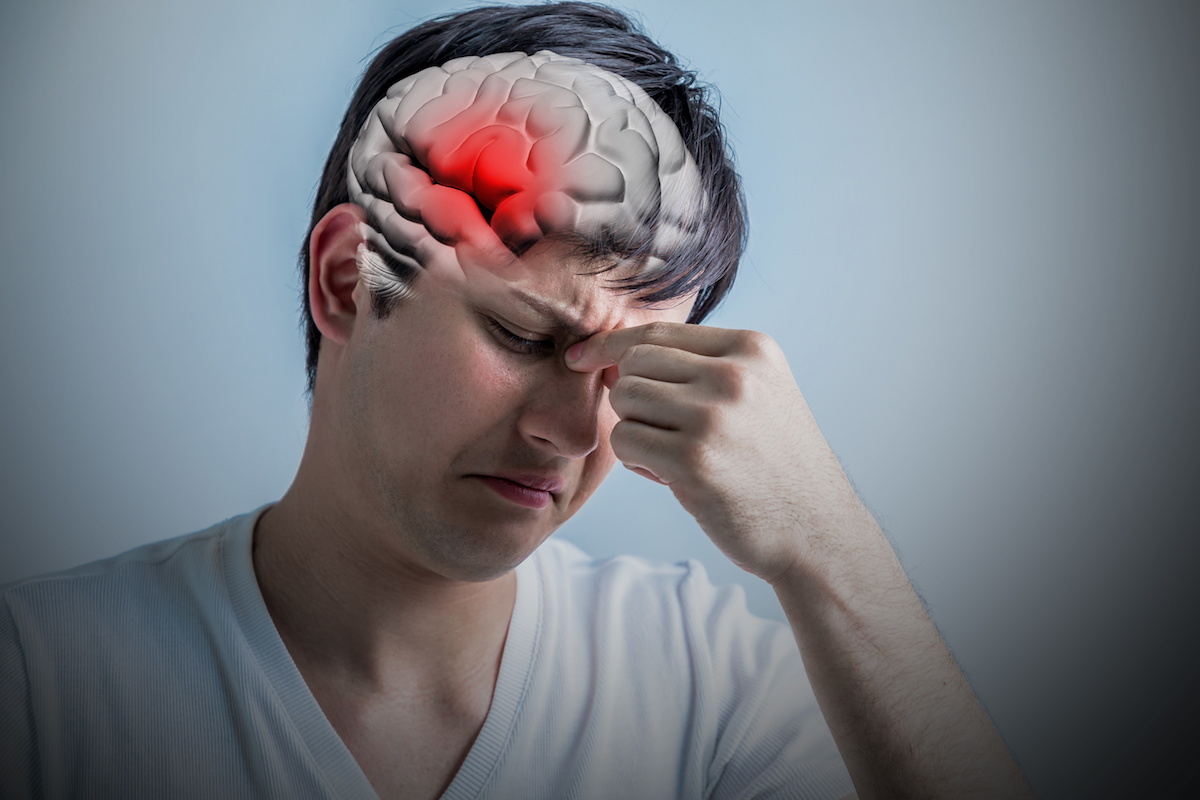
Brain injury is a disease that seriously affects life. It can be caused by a variety of causes, including car accidents, falls, sports injuries and strokes. These injuries can result in symptoms ranging from mild cognitive impairment to severe physical disability. For years, effective treatments for brain injuries have been limited, leaving patients and their families feeling helpless and frustrated. However, the advent of hyperbaric oxygen therapy offers a glimmer of hope.
Understanding Brain Injuries
As we look at how Hyperbaric Oxygen Therapy can help with traumatic brain injury, it’s essential to understand the nature of the disease. 
Brain injuries are clinically divided into primary injuries and secondary injuries. The so-called primary injury refers to the damage to the tissue structure, cell rupture, and other injuries that directly affect the area caused by external impact, inflammatory infection, vascular rupture or obstruction. This kind of damage occurs in an instant or a short period. However, irreversible damage has occurred. In addition, secondary injury refers to the inflammatory response of broken tissue components and part of damaged neural tissue that stimulates healthy tissue during a time after the primary injury. As a result, the brain tissue surrounding the injury swells. It then squeezes surrounding relatively healthy tissue, causing blood circulation disorders and a lack of oxygen. Then redness and edema appeared again, and the scope of brain tissue damage continued to expand.
On the whole, research shows that the main cause of the development of cerebral edema is hypoxia. Therefore, using all means to promptly correct the hypoxia of damaged brain tissue is an important treatment method to curb the progression of the disease.
How Hyperbaric Oxygen Therapy Improves Brain Injury?
Hyperbaric oxygen therapy is a physical therapy method that places the patient in a closed high-pressure chamber and intermittently inhales pure oxygen. Under high-pressure conditions, oxygen can quickly dissolve into the blood, and the amount of dissolved oxygen is proportional to the environmental pressure. As the environmental pressure increases, the amount of dissolved oxygen dissolved into the blood also continues to increase. In addition, it not only helps the hypoxic brain tissue to obtain a relatively large amount of oxygen supply on time. At the same time, it is beneficial to reduce the water content of the whole brain. Therefore, this mechanism has the effect of directly reducing intracranial pressure to treat cerebral edema.
Hyperbaric Chamber: A New Choice
Hyperbaric oxygen chamber treatment should be used as early as possible on the premise that the condition of patients with craniocerebral injury is stable. Hyperbaric oxygen therapy applied in the early stage of craniocerebral injury can significantly improve the patient's coma. It is conducive to the recovery of the patient's limb movement functions and thus increases the success rate of clinical treatment. Meanwhile, it can greatly reduce the incidence of adverse reactions and significantly improve the patient's prognosis. It is worth noting that the condition of patients with severe brain injury is extremely complex. Therefore, a reasonable treatment plan should be adopted according to the patient's actual condition.
Conclusion
Overall, hyperbaric chambers offer promising possibilities for treating traumatic brain injuries.
A large amount of clinical practice has proven that combined with hyperbaric oxygen therapy, the survival rate and brain function recovery rate of such patients can be significantly improved, and cognitive, language, motor and other functions will also be significantly improved. Thus, hyperbaric oxygen therapy can protect the blood-brain barrier, reduce brain edema, inhibit cell apoptosis, restore mitochondrial function, promote vascular regeneration and neurological repair, and reduce secondary damage.
In the future, as research deepens, hyperbaric oxygen chambers will bring more possibilities for brain injury treatment.
