Learn about the different types of hyperbaric chambers, preparation and precautions for treatment, potential side effects, and the long-term effects of this revolutionary therapy.
History and facts about hyperbaric chamber therapy
- At the end of the 19th century, the hyperbaric oxygen chamber was first used by doctor Herman Boerhaave to treat carbon monoxide poisoning as a new way to treat gas poisoning. With the development of oxygen therapy technology, the role of hyperbaric oxygen chamber therapy in treating acute poisoning has gradually been recognized. With the in-depth research and technological improvements of hyperbaric oxygen therapy, more and more clinical fields have begun to adopt this therapy.
- Hyperbaric oxygen treatment chambers were used to treat decompression sickness in the early 20th century and quickly became divers' standard first aid treatment. In the mid-20th century, with the popularity of diving activities, the demand for the treatment of decompression sickness also led to the rapid promotion of hyperbaric oxygen chambers. (Decompression sickness (DCS), also known as "diving sickness", is a condition in which gases (such as nitrogen) dissolved in the blood quickly form bubbles when divers ascend too soon in deep water, leading to gas embolism and severe physiological damage.)
- One of the early applications of hyperbaric oxygen therapy was for hypoxic wounds caused by severe trauma, post-surgery or burns. Hyperbaric oxygen can effectively promote tissue healing, reduce infection, and prevent necrosis. By increasing the oxygen concentration in the blood, it can accelerate cell repair and enhance the function of the immune system. During World War I, hyperbaric oxygen chambers were used to treat tissue hypoxia and infection caused by combat trauma, especially in battlefield trauma, where local hypoxia had a serious impact on wound healing.
- Diabetic patients often suffer from chronic wounds due to poor blood circulation and high blood sugar, which makes it difficult for wounds to heal. Hyperbaric oxygen can help diabetic patients heal their wounds by increasing the oxygen content in the blood. The application of hyperbaric oxygen therapy for diabetic foot ulcers began in the 1970s and has gradually been widely used in wound care for diabetic patients.
Types of hyperbaric chamber
Hyperbaric oxygen chambers can be divided into the following types according to different classification standards:
- Hyperbaric chamber classification by material:
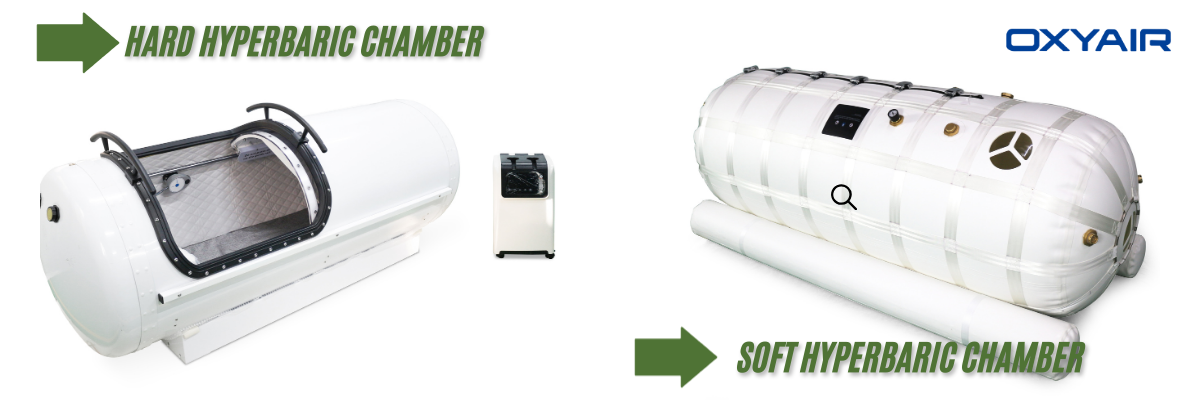
Hard hyperbaric chamber: The hard o2 therapy chamber is made of solid metal or composite materials, which can withstand high air pressure and is suitable for treatment environments with high requirements. It is usually used in hospitals and professional treatment centers. The hard cabin has a stable structure and good sealing and can provide a safer high-pressure environment.
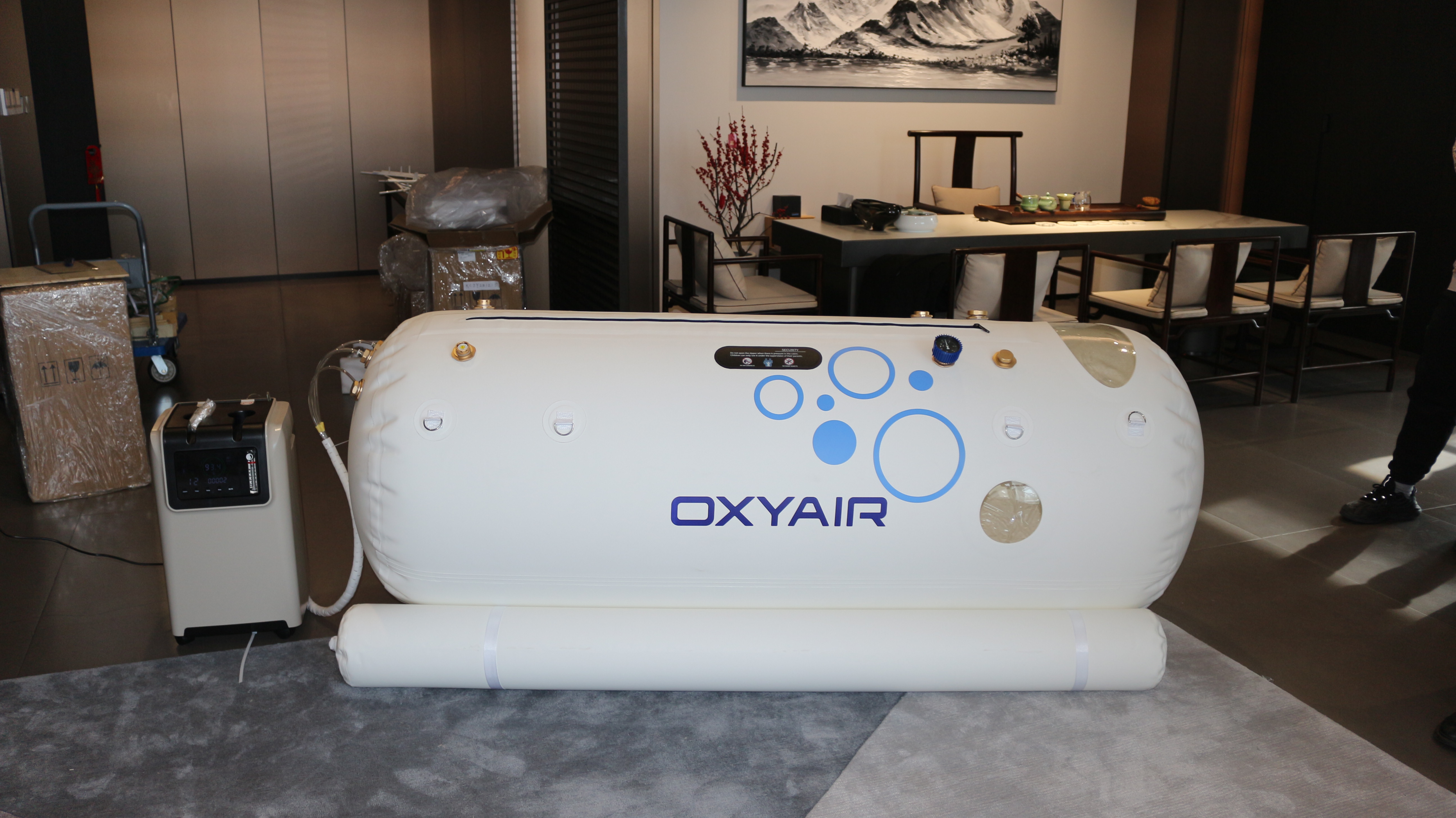
Soft hyperbaric chamber: The soft o2 chamber is made of high-strength flexible materials, with good portability and comfort, suitable for home and small clinics. Although the air pressure tolerance is not as good as the hard cabin, it can still meet many clinical treatment needs, and it is flexible to use and easy to install and move.
- Hyperbaric chamber classification by shape:
Sitting hyperbaric chamber: The sitting hyperbaric chamber therapy design allows patients to sit during treatment, which is suitable for short-term treatment or treatment of mild diseases. The cabin is generally compact and suitable for single-person use. Patients can easily enter and adjust their posture.
Reclining hyperbaric chamber: The reclining hyperbaric therapy chamber for sale design allows patients to lie down for treatment, which is suitable for patients who need longer or more comfortable treatment. The reclining cabin has a larger space, and patients can relax their whole body, which is suitable for long-term treatment, especially in the treatment and rehabilitation of chronic diseases.

- Hyperbaric chamber classification by number of people:
Single hyperbaric chamber: The single hyperbaric chamber is designed for only one patient, and the space is usually compact, so the treatment effect can be better concentrated during the treatment. It is suitable for personal treatment needs and is commonly used in families, private clinics, and other environments.
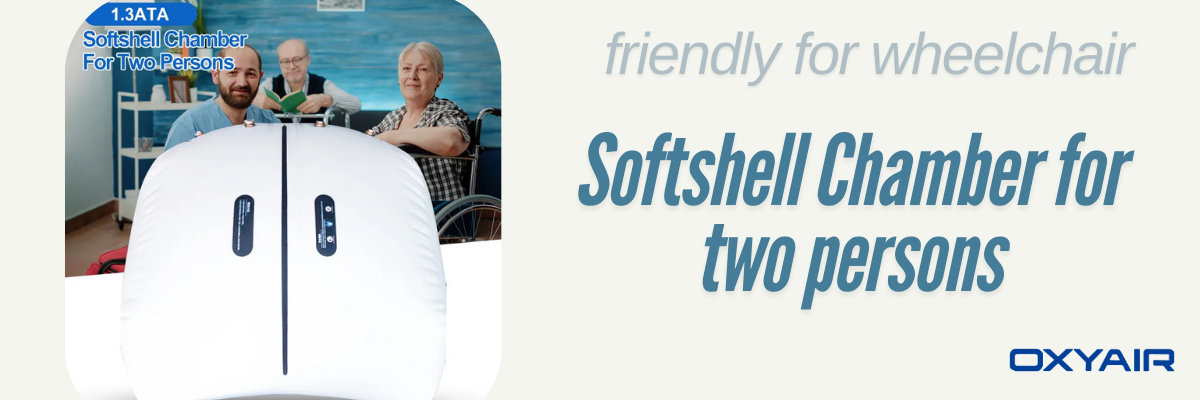
Two-person hyperbaric chamber: The double oxygen chamber treatment can accommodate two patients for treatment. It is suitable for hospitals, clinics, and other places. It provides more space and comfort and can treat two patients at the same time to increase treatment efficiency.
The above are several common classification methods for home hyperbaric oxygen treatment chambers. Each type has its specific advantages and applicable scenarios. You can choose the appropriate model according to your actual needs.
Four facts before entering a hyperbaric oxygen treatment chamber for therapy:
Physical assessment before treatment
Before receiving hyperbaric oxygen chamber treatment, patients need to undergo a comprehensive physical assessment. This not only helps determine whether the patient is suitable for the treatment but also ensures the safety of the treatment process. The main assessment items include:
Health status check: including a comprehensive physical examination, especially cardiopulmonary function tests. If there is a serious heart disease, lung disease or other serious health problems, the patient may not be suitable for hyperbaric oxygen therapy.
Contraindication assessment: Some patient groups are not suitable for hyperbaric oxygen therapy. For example, people with pneumothorax, active lung infection, severe otitis media, or pregnant women (especially pregnant women in early pregnancy) may have contraindications.
Medication and allergy history: Patients should provide a comprehensive history of medication use to their doctors, especially the use of anticoagulants, glucocorticoids, and other drugs. These drugs may affect the treatment process
Treatment process and precautions
Hyperbaric oxygen therapy is generally carried out under the supervision of professional medical staff, and patients need to receive oxygen therapy in a hyperbaric oxygen chamber for a certain period. The treatment process may vary depending on individual differences. Here are some basic things patients need to know before treatment:
Hyperbaric oxygen therapy treatment duration and frequency: Usually each treatment lasts 60 to 90 minutes. Depending on the condition, the treatment cycle may range from several days to several weeks. During the treatment, patients usually need to remain quiet and avoid strenuous activities.
Preparation for entering the hyperbaric oxygen chamber: Patients usually need to remove any metal objects (such as earrings, watches, glasses, etc.) before entering the hyperbaric oxygen chamber to avoid unnecessary risks in a high-pressure environment. At the same time, avoid eating too greasy food or drinking a lot of water before treatment.
Ear adaptation: The air pressure changes greatly during hyperbaric oxygen therapy, and many patients may feel discomfort in the ears or a feeling of ear plugging. Doctors usually teach patients how to relieve the impact of pressure changes on the ears by swallowing, yawning, etc.
Potential side effects and risks of hyperbaric oxygen therapy:
Although hyperbaric oxygen therapy is relatively safe, like any treatment, it may also bring some side effects or risks. Patients should be aware of these possible side effects in order to make an informed decision.
Ear discomfort and barotrauma: Due to changes in air pressure, patients may feel blocked and painful ears, and even rupture the eardrum in some extreme cases.
Oxygen toxicity: Long-term inhalation of high concentrations of oxygen may cause oxygen toxicity, which is mainly manifested by symptoms such as visual impairment, muscle spasms, and shortness of breath. In order to avoid oxygen toxicity, treatment time is usually strictly controlled.
Lung problems: In rare cases, hyperbaric oxygen therapy may cause lung problems such as baropulmonary edema, especially for patients with underlying lung disease.
Precautions after hyperbaric oxygen therapy
After treatment, patients usually need to gradually adapt to the normal pressure environment, and they may feel slight fatigue or dizziness during treatment. To ensure the treatment effect and avoid adverse reactions, patients should pay attention to the following points during the recovery stage after treatment:
Rest and recovery: It is recommended that patients rest for a while after treatment and avoid strenuous exercise immediately. Usually, the discomfort after treatment disappears in a short time.
Diet and water: During treatment, patients should maintain adequate water intake, which helps to remove excess oxidative substances from the body. Appropriate nutritional supplements can help improve the treatment effect, especially vitamin C and antioxidants.
Regular follow-up: Some patients may need to follow up after treatment to monitor the treatment effect or evaluate potential complications.
Long-term effect and efficacy evaluation of hyperbaric oxygen chamber treatment
The effect of hyperbaric oxygen therapy varies from person to person. Patients should communicate with their doctors during treatment and regularly evaluate the efficacy. If the treatment effect is not obvious, it may be necessary to adjust the treatment plan or consider other treatment methods.
